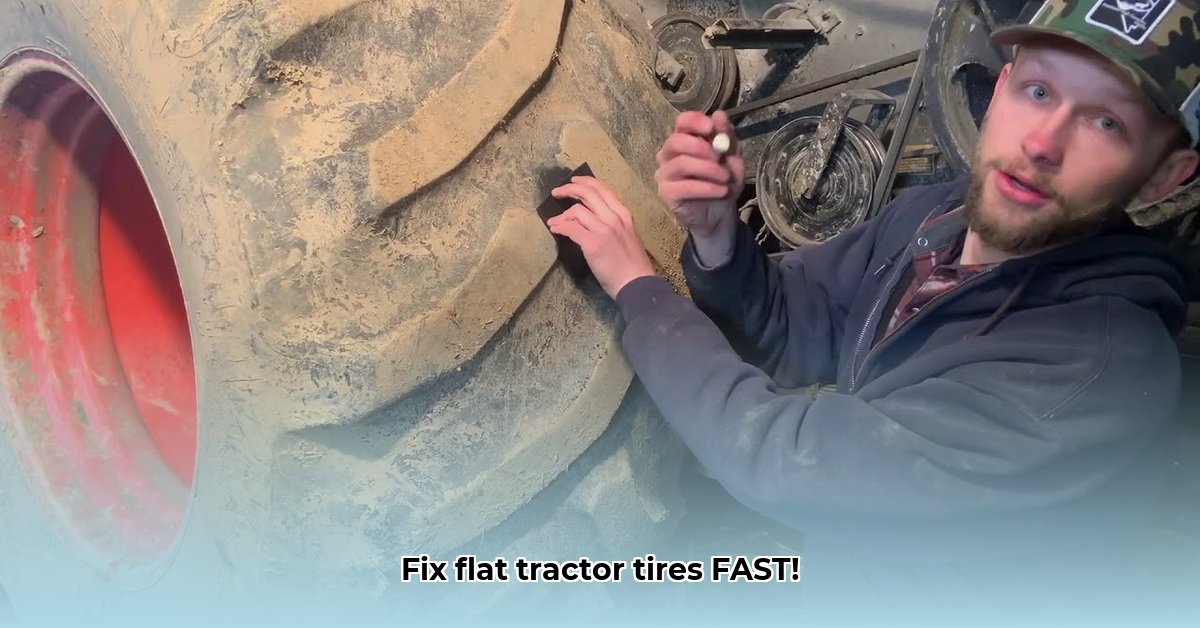
Assessing the Damage: The First Crucial Step
Before attempting any repair, carefully assess the puncture. The size and the type of fluid leaking will dictate your approach. A small puncture might be a quick fix, while a larger one or a leak of corrosive fluid necessitates professional help. For more in-depth information on tire plug kits, check out this helpful resource.
What to Look For:
- Puncture Size: A tiny pinprick (smaller than a needle) is often easily fixable. A small puncture (about the size of a pencil lead) might be manageable, but a medium to large puncture (larger than a pencil lead) or significant tear generally requires professional attention. Larger punctures compromise tire structural integrity.
- Fluid Type: Identifying the leaking fluid is critical. Calcium chloride, a common ballast solution, is corrosive and requires special handling. Other fluids, such as antifreeze, also demand careful consideration. Incorrect fluid identification may result in improper repairs.
Remember: When in doubt, err on the side of caution.
In-Situ Repair with a Plug Kit (For Minor Punctures)
This method is suitable only for small punctures (think pinpricks or very small holes). Attempting this on larger punctures will likely fail. This is a quick, cost effective solution when the damage is minor.
Step-by-Step Instructions:
- Clean the Area: Thoroughly clean the puncture area, removing any dirt or debris.
- Reaming the Hole: Use the reamer tool (provided in the kit) to carefully create a slightly larger, clean hole. This prepares a smooth surface for the plug. Don't over-ream.
- Plug Insertion: Insert the plug, pushing firmly and evenly until fully seated. Follow your kit's instructions meticulously.
- Trim the Excess: Trim any excess plug material flush with the tire surface.
- Curing Time: Allow ample curing time before inflating the tire. Premature inflation can compromise the repair.
Repairing Punctures with Calcium Chloride or Other Corrosive Fluids
Calcium chloride, while improving tire weight and traction, presents unique challenges due to its corrosive nature. A simple plug is insufficient if this fluid is involved. This requires more specialized knowledge and is often safer left to a professional.
Steps Involved:
- Tire Removal: Remove the tire from the rim. This often requires specialized tools and knowledge.
- Rim Cleaning: Thoroughly clean the rim to eliminate all traces of the corrosive fluid. Failure to do so can lead to further damage.
- Inner Tube Patching (if applicable): Patch any damage to the inner tube using a suitable patch kit.
- Reassembly: Carefully remount the tire and inflate to the recommended pressure, checking for leaks.
When to Seek Professional Help
Some situations demand professional intervention. Do not attempt repairs if:
- The puncture is large (bigger than a pencil eraser).
- You're unable to identify the leaking fluid.
- You're uncomfortable performing the repair.
- There's significant tire sidewall damage or bead damage.
Professional repair ensures safety and longevity. A improperly repaired tire can lead to further damage and potential injury.
Preventative Maintenance: A Stitch in Time…
Regular maintenance significantly reduces the likelihood of punctures.
- Regular Pressure Checks: Maintain the recommended tire pressure (found on the tire sidewall). Under-inflation increases puncture risk and can also affect traction and tire life.
- Visual Inspections: Regularly inspect tires for cuts, embedded objects, or unusual wear. Early detection can prevent small issues from becoming major problems.
- Proper Tire Selection: Choose tires suited to your working conditions. Investing in high quality tires for your specific application is a sound investment.
Conclusion: Back on Track!
Knowing how to fix minor tractor tire punctures empowers you to handle minor issues quickly. However, understanding your limitations and seeking professional help is just as important. Prioritize safety and proper technique, and remember that regular maintenance is your best defense against tire problems.